Hot Tips

Hot Tip Tuesday #14, Pre-cuts are our Friends…

The more I use them, the more I like them, pre-cuts that is.  Do you all know what pre-cuts are?  They are a way that fabric manufacturers are selling quilting fabrics that are ready to sew when you buy them.  It seems every time I go to market they’ve come up with another term for yet another size or shape of pre-cuts!

I first became aware of them being produced by Moda Fabrics.  I’m not sure if they started them, or if because they are the most popular fabric company selling in my local quilt shops that we saw their’s first.  I’ve always been intrigued with buying a bit of each fabric in a collection (collecting) so when the fat quarter bundles came out I was very excited. 

Fat Quarter Bundle: a Fat Quarter of each fabric in a collection

Then you could buy smaller quantities of each of the fabrics in a collection and hence all these:

Jelly Roll: 40, 2-1/2″ strips

Layer Cake: 42, 10″ squares of a collection


Charm Pack: 42, 5″ squares of a collection

Then there are Turnovers, 80, 6″ Triangles of a collection, Honey Buns, 40, 1-1/2″ strips of a collections, and then Dessert Rolls, 10, 5″ strips of a collection.  The best part of using these,aside from being fun to buy, is that the cutting is done for you.  I have a couple of lap quilt patterns designed especially for a jelly rolls and charm squares.

I also have plans for a Christmas lap quilt using the jelly roll above plus yardage, so stay tuned!

You can also find all kinds of FREE patterns to use these here  http://www.modabakeshop.com/p/bakery.html

Until next time,

Susan


Hot Tips

Hot Tip Tuesday #13, Threading a needle

Ever have trouble threading a needle?

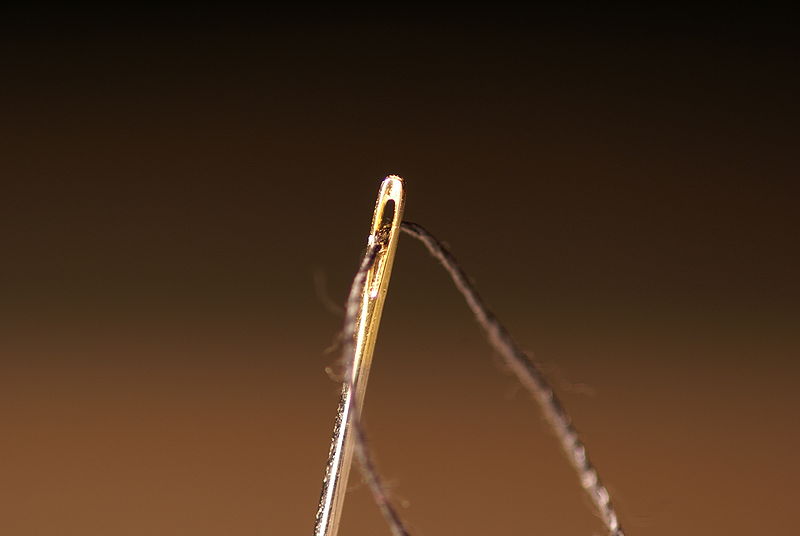
I always lick the end of the thread to get it to go into the eye of the needle easier, but I learned recently that if you lick the eye of the needle instead it actually works better!  Try it, it works!

I learned another trick a few years ago and that is the eye of the needle is punch from one side, so one side of the eye is easier to thread through.  If you try and try and can’t get the thread to go through the eye, rotate the needle and thread through the other side of the eye.  This is also true, try it!

I hope this alleviates a bit of frustration for you as it has for me.

Until next time,

Susan

Hot Tips

Hot Tip Tuesday #12, Beat the winter blues with a Quilter’s Retreat

It’s that time of year when winter really sets in.  The days are short and I can’t turn on enough lights to brighten my sewing room.  It’s so cold outside that I don’t want to go out.  We’ve already had enough snow days that the kids no longer have to make any more of them up.

There is a cure and it’s spelled   Q – U – I – L – T    R – E – T – R – E – A – T!!! 

We’re fortunate enough that a local quilt shop, Rosemary’s, housed in an older home with living quarters upstairs, is available for retreats.  The last several years, Kathy & I have planned a January retreat. Rosemary will teach classes if you want, but our group goes to work on our own projects.

Secure a date, round-up some friends…and SEW, SEW, SEW!!!

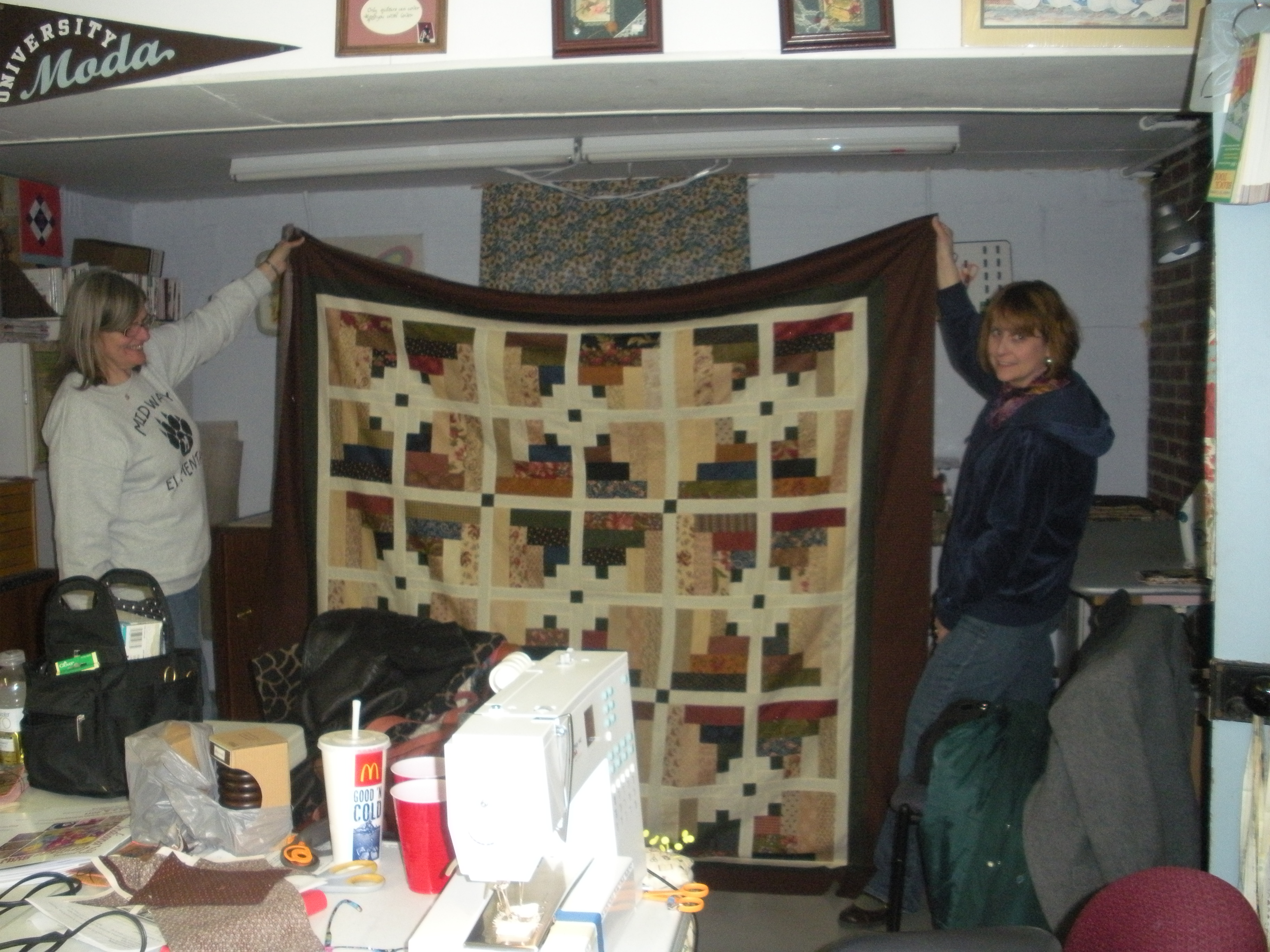
This year Robin was able to join us from North Carolina, along with Kathy & Susan.

Beth completed a top she worked on during our last retreat, Chris is helping show it off.

Loraine, gets more done than anyone, and always with a smile.

I finished two samples of my new “In Season for Patriotism” pattern.  (Coming soon to a quilt shop near you, as soon as I get the instructions written, tested and quilt photographed.)

I also made a bunch of mini Dresden plate blocks.  I LOVE these.  They’re so much fun to assemble!  I have 24 made now. I’ll keep you posted as to their progress.

We had a lot of fun.  The biggest decisions were where to eat.  Mexican, Italian, Chinese, American, they’re all there in the small town and most of them within walking distance.  Since it was so cold, we didn’t waste too much time doing that! 

Perhaps you could organize a retreat for you and your sewing friends.

Until next time,

Susan 


Hot Tips

Hot Tip Tuesday #11, Batting Behind your Stitching to Hide Thread Tails

Have you ever done hand embroidery work and been disappointed that the tails of your threads show through the fabric?  There’s an easy fix to this, and I’ve been using it on all of my “In Season” patterns. Check them all out on my website.

They each have a bit of hand embroidery on them, and I have a tendency to stitch in black.  This really plays havoc with a light background fabric, and obviously every color is lighter than black!

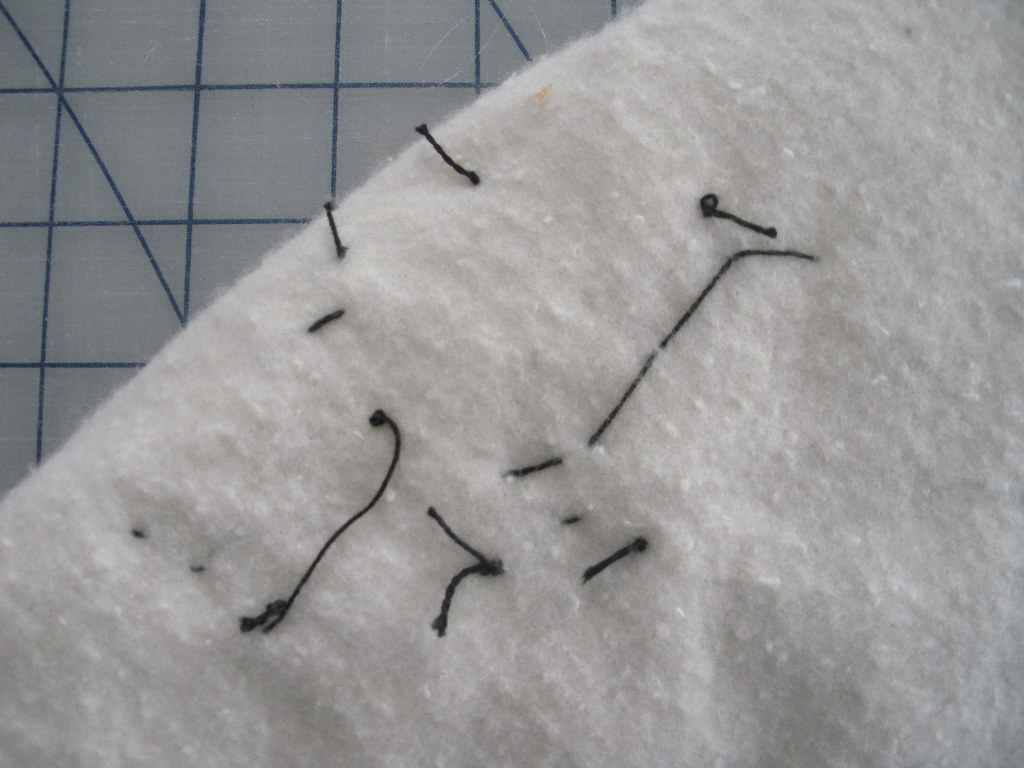
As described in each pattern, to alleviate this problem, just cut a piece of batting a bit larger than your background fabric. Baste this batting to the fabric. I use straight pins. It takes very little time to do this stitching, so I don’t want to take more time than necessary to baste. For bigger projects I would use safety pins.

Stitch as usual, securing your thread behind the batting.  This is a peek at my latest creation, “In Season for patriotism”.  Coming soon to a quilt shop near you!

Even trailing letter to letter doesn’t show, and I’m using #8 (thick) perle cotton black thread!!!

I hope you’re getting lots of quilting done during this cold, snowy winter!

Until next time,

Susan

Hot Tips

Hot Tip Tuesday #10, Chaco Liner Marking Tool

Call me lazy.  Call me gotta do it fast.  Call me whatever you want, but if I can do something quick, I can get more done.  That’s exactly why I like the Chako Liners.  Do you know about them?

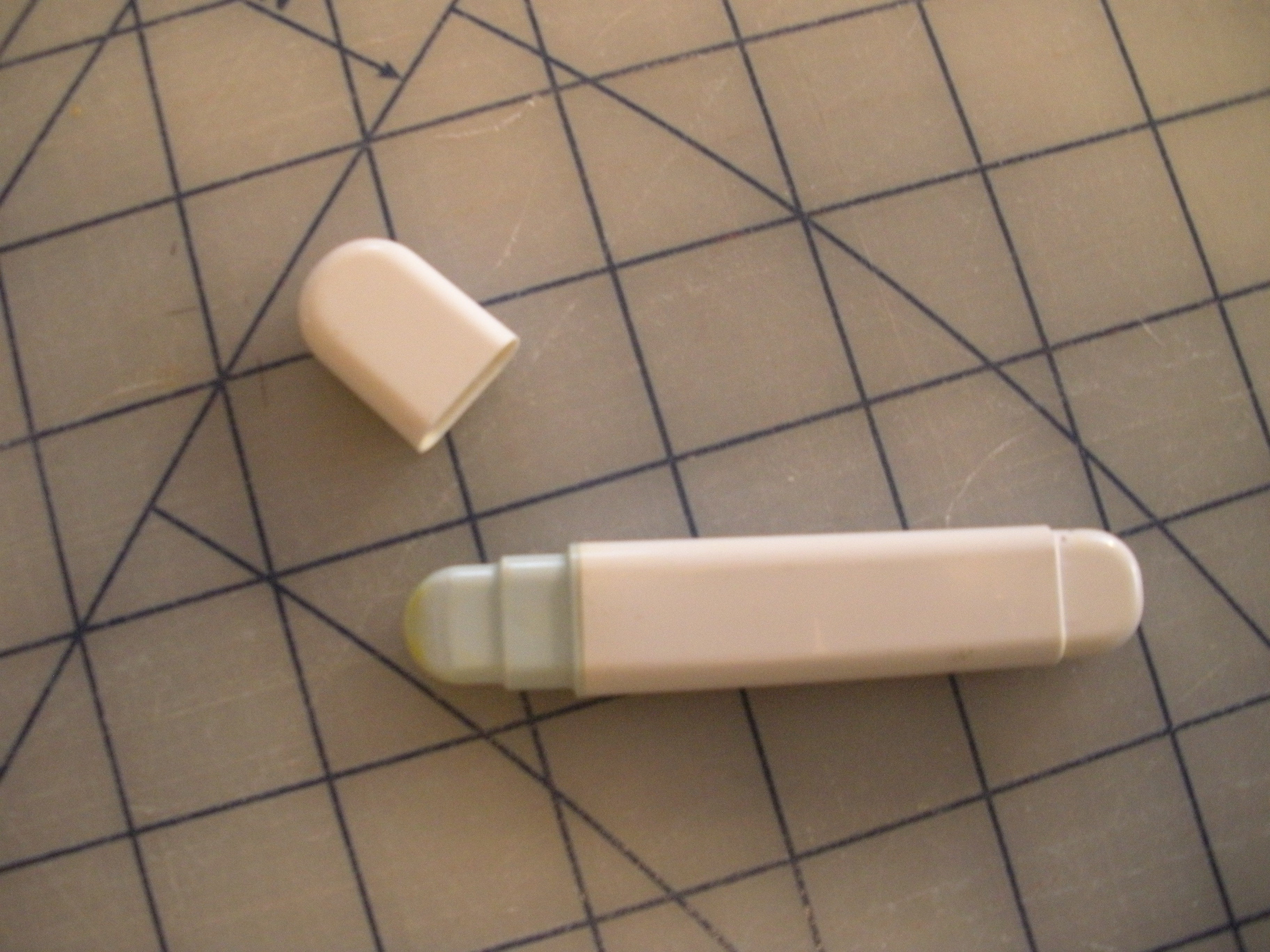
There are several styles, but this is the one I use.  It has a VERY tiny wheel at the top that allows a powdered chalk to flow out in a very fine line for marking.  Did your mom ever use a tracing wheel?  Mine did and this is what my Chako Liner reminds me of except instead of using a piece of colored paper to make the mark with, it drops fine chalk dust!

Although I would probably not mark a whole quilt with this, it’s great for small projects.  You can mark straight lines quickly using a ruler. 

It’s great for cross hatching.  I used this on my “Best Friends” samples.

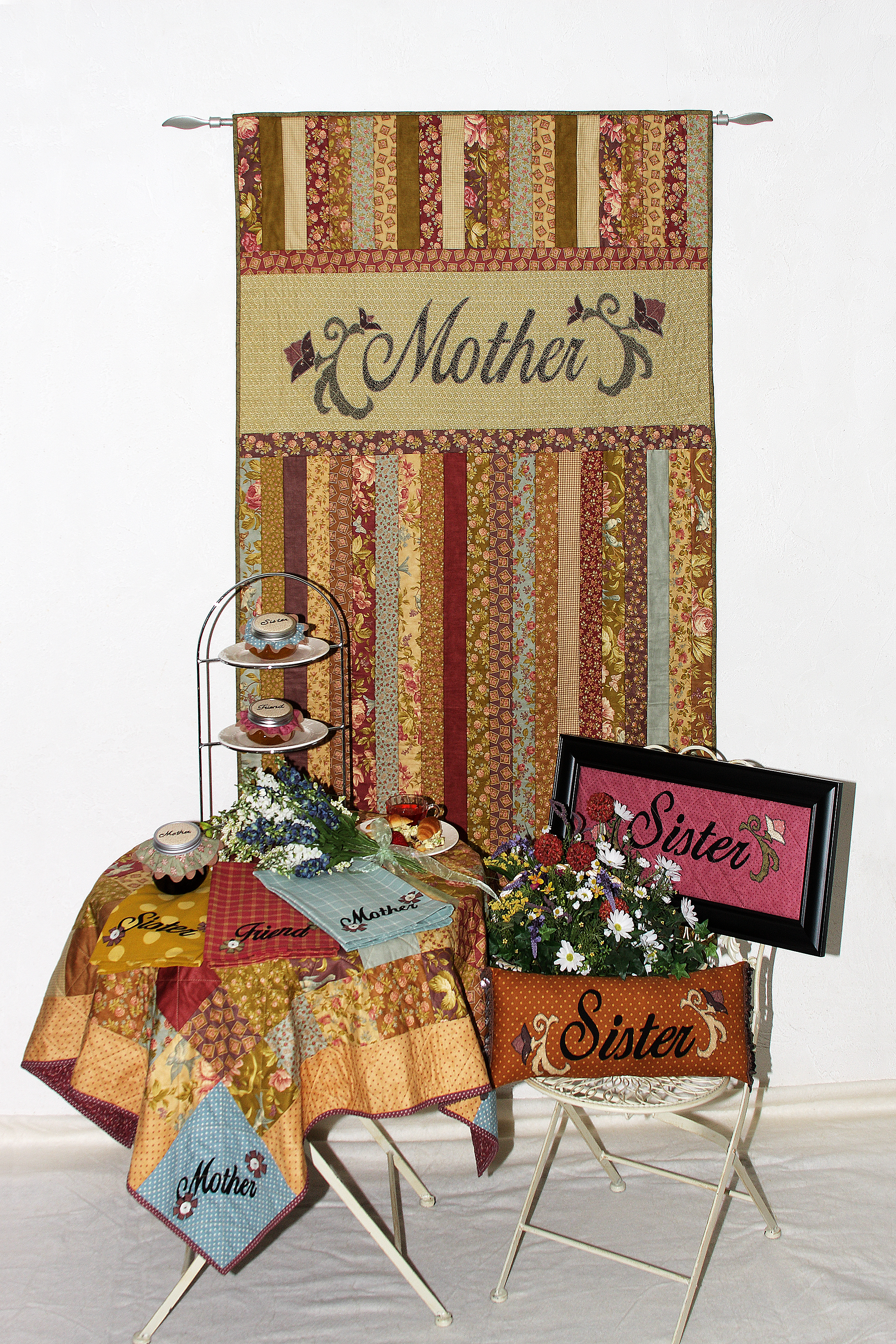
If you look closely at “Mother” on the hanging quilt you’ll see cross hatch quilting.  I marked that with the Chako Liner.  Also “Sister” on the framed piece has cross hatching.  That too was marked this way.  They are both small areas, so it’s a quick way to mark, plus the lines literally brush away when you’re finished with them. 

They’re made by Clover, they come in several colors and you can buy refills.

Next time you have a small area that needs some straight line quilting, think of the Chako Liner and how much time you’ll save.

Until next time,

Susan

Hot Tips

Hot Tip Tuesday #9, Keeping your Machine Clean

How many of you maintain your machine regularly?  How many of you even know you’re supposed to?  When my mom bought her Singer in the early 60’s, the man who sold it to her knew his stuff.  He taught her to maintain her machine and surprisingly enough even taught  her basic repair.  Who does that today?  Most machines are so complicated, most of them computerized, that you dare not mess with them unless you have a license! 

Well, my mom taught me some of those basics, but if I have any real trouble I call her down.  Fortunately for me she lives just down the way and is happy to help me out!  I got my love of Berninas from her.  Actually the 930  that I sew on and have been using for over 20 years was hers originally.  My mom sewed my wedding gown on it, that was a huge undertaking.  Of course being of the design mind that I am, I had all kinds of neat ideas, but no pattern was on the shelf, so…  I had bridal magazines with pictures of this sleeve, this bodice, this bottom, and a button-off train (that one was in my head! Could I be any bigger of a pain?).  Like I said, no pattern would accommodate this dress, so we went pattern shopping and bought several patterns with basic shapes of some of my big ideas, then my mom’s creative brain set to work.  Any idea where my brain came from??? 

Anyway, I’d come home from work, and she’d created a new sleeve prototype, ruffled bottom prototype, you remember the “mermaid” style dresses of the late 80’s?  Well, some days they’d be just right and some days it was back to the drawing board, but she took it as a creative challenge.  What a mom I have!  Did I mention she also sewed the whole wedding party’s dresses?  Uh ya, three bride’s maids dresses, plus my two SIL dresses who were cake cutters, and last but not least my only niece was two and so adorable that she got a green dress too! 

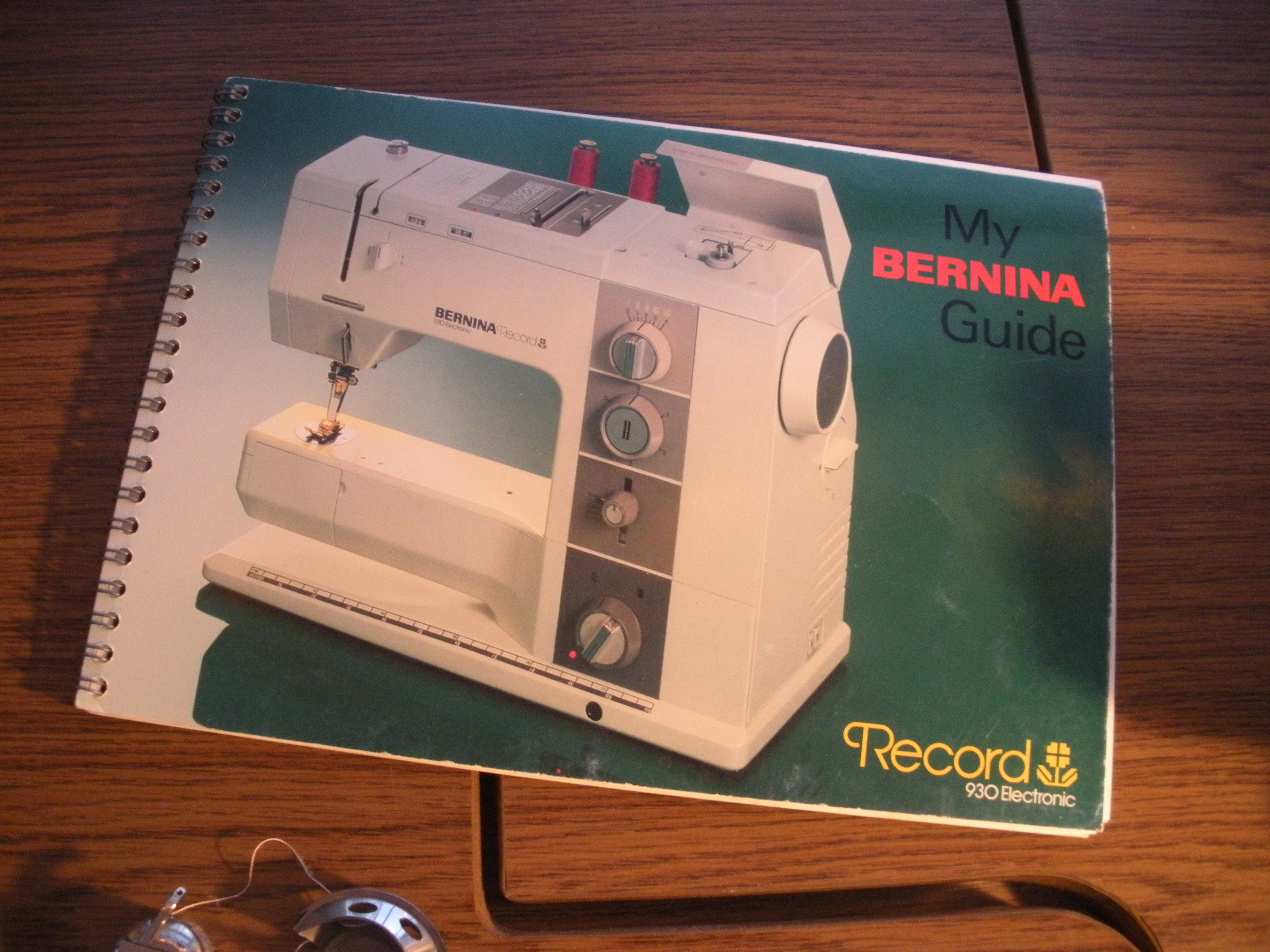
Oh but I digress…  Well, when my mom wanted to upgrade to Bernina’s computerized machine, I bought her 930 and have loved it ever since.   The first thing my mom showed me was this.

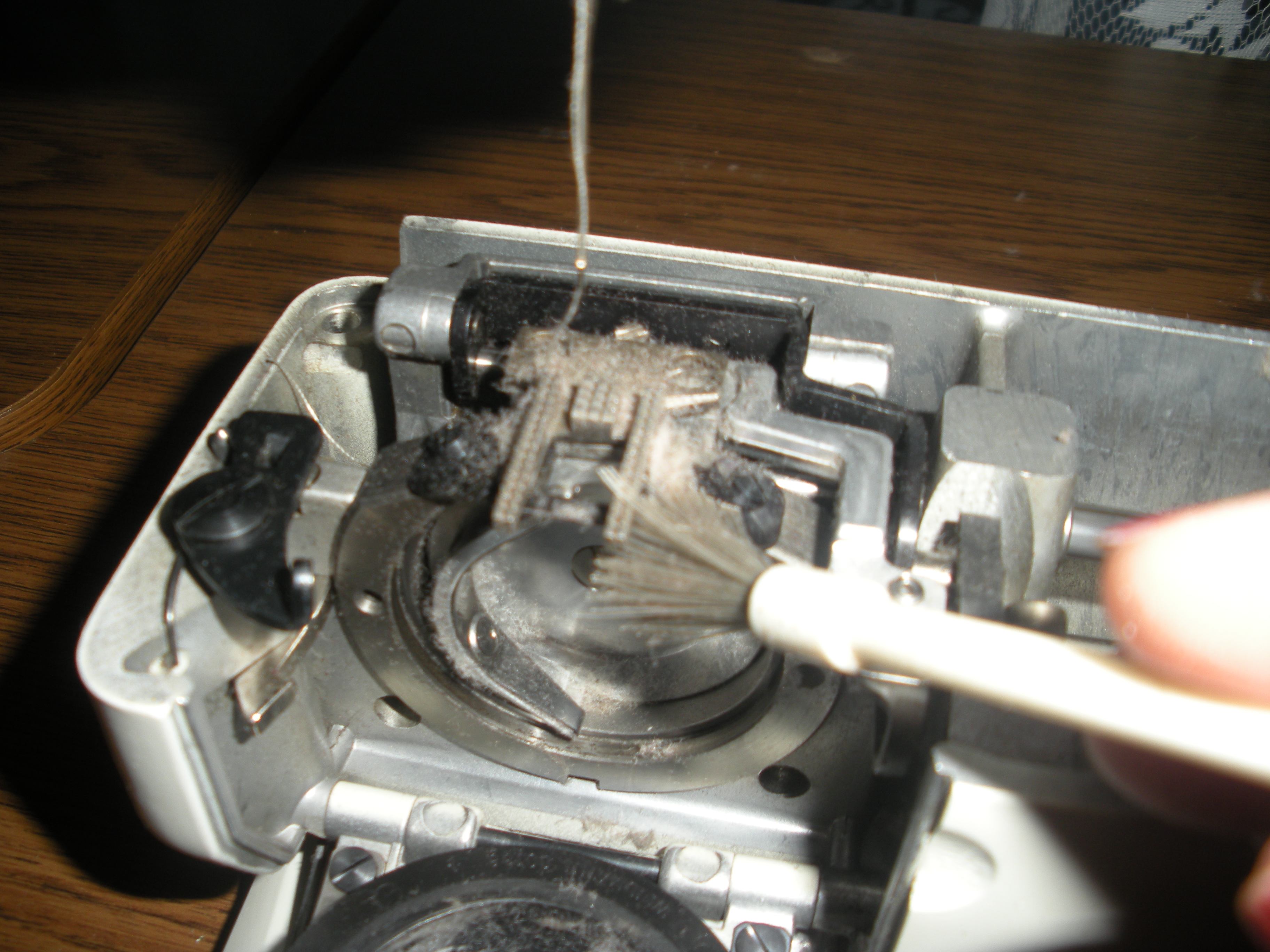
There’s a section on cleaning.  I was amazed at one of my classes several years ago when a quilter’s machine was not sewing well.  Obviously the needle was not making connection with the bobbin thread for some reason, so I opened her bobbin case and was amazed at all the lint under her stitch plate.  She had no idea she was supposed to clean the lint from the area and her machine was several years old!!!  Since that class ten years ago, I’ve encountered more quilters with the same amazement about their machine.  Some had bought their machines at big box stores, but some had bought their machine from a dealer.

So, today I’m urging you if you don’t know how or you can’t remember the last time you cleaned out your stitch plate area do it now! 

Open that little door,

Some machines open even more.  This makes cleaning all the easier.  Look at all that lint!  I just finished quilting a little quilt last night, so I knew it needed cleaning.  AND, I just cleaned this all out two days ago!!!


 My owner’s manual states that I need to do this cleaning after every 3-4 hours of sewing.  It also tells me where to put a couple drops of special oil at the same time.  My machine is basically all metal, so it needs oil to run smoothly.  Some machines do not need oil, that’s why it’s important to get out your manual.

 In addition to this cleaning, do you realize you should have your machine professionally cleaned by a reputable professional once a year?  The pros can get into your machine and deep clean it. If you do this your machine should run for a very long time. 

Until next time,

Susan

Hot Tips, My Life, Quilting Accessories I Love

Quilt-as-you-go Lap Quilt Tutorial & A Few of my Favorite Things

Being a quilt pattern designer and going to International Quilt Market at least once a year for the last six years, I’ve met a LOT of quilters; quilt shop owners and their employees, other quilt designers, fabric reps, distributor reps, notions reps, batting reps, thread company reps, and the list goes on and on. I’ve learned so much from these quilters’ experiences, plus I’ve experimented a lot myself.

This morning while mindlessly ironing my DH’s dress shirts I got an idea, (I get some of my best thinking done while doing these types of monotonous tasks, and don’t you dare tell him or he might get some of his own great ideas such as thinking that I enjoy said tasks) anyway… I thought I would list some of my favorite things and perhaps they might become some of your favorites too.

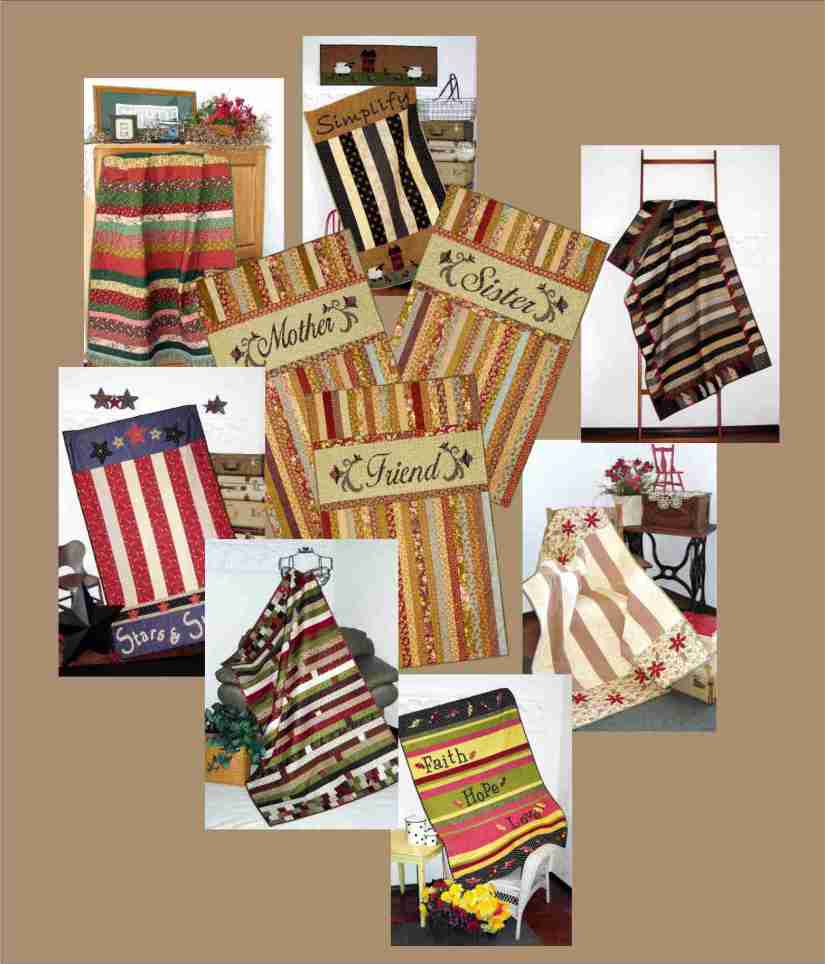
If you check out my website you’ll see a tab for “Quilt-as-you-go”.  These are all lap quilts that I’ve created using my own technique, a form of foundation piecing.  These are a few of them:
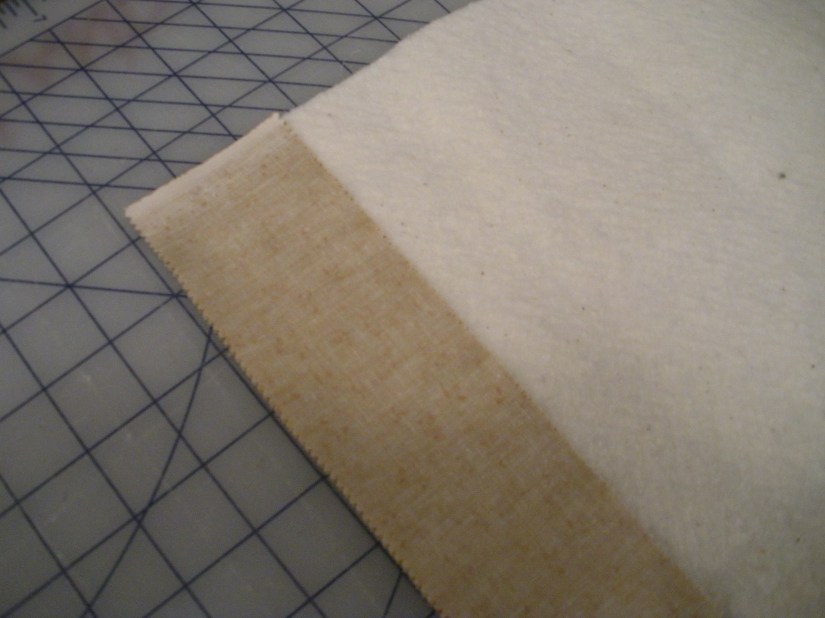
 The “foundation” is actually the batting and backing fabric cut to the size of the finished quilt, then basted together.  I like to use Sullivan’s basting spray for this.  It keeps the foundation together nicely, doesn’t gunk up my needle and there are no pins to move as I sew.  Below is a small-scale of what the “foundation” looks like basted and ready to start sewing.

The only batting I use and recommend for these quilts is Warm & Natural.  It has its own “velcro” type properties that eliminates all slipping while I sew these quilts together.

 It’s time to start sewing the strips on.  The first strip is lined up with the edge of the foundation,


The second strip is lined up on top of it, right sides together. 
 Pin and sew 1/4″ away from the inside edge of strip.  The seam is going all the way through the foundation creating the “quilting”.

Two important things to remember while stitching, 1) use a walking foot and 2) use a long stitch length.  I set my machine to the longest stitch setting (8 stitches per inch).  You’re quilting, not just sewing a seam.

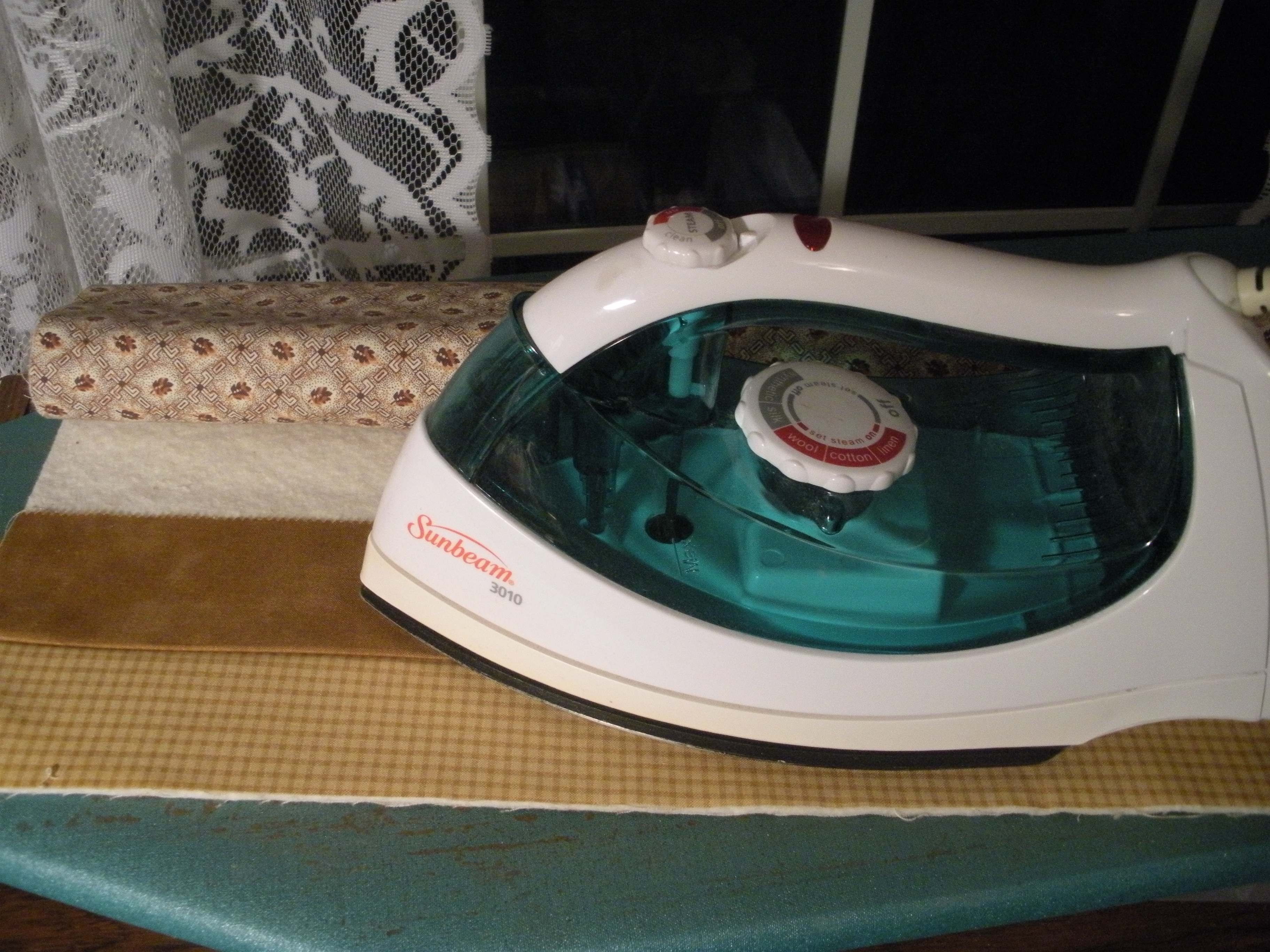
 Next comes the pressing. With the strips still flat as sewn, press, picking up the iron as you work down the strip not sliding it.  I also do not use any steam, notice empty iron!

Open the top strip out, then press again.  Be sure to not slide the iron, pick it up instead.  Continue sewing strips on in this manner.Once all of the strips are sewn onto the foundation your quilting is done.  Add the binding and the quilt is finished. 


One last favorite thing I’d like to note is a finger pin cushion.  This keeps my pins with me at my sewing machine, at the iron, and at my pinning table.  This is a big time saver for these projects.

Some of the quilts have fusible applique and therefore require a bit of stitching to add before the binding.  This stitching acts as more quilting. 

These quilts truly can be made in one day, 6-10 hours depending on which pattern you choose. Several of the patterns are designed for jelly rolls and charm squares which really minimizes your cutting time.  They make great gifts because they’re not a huge time or money commitment.

If you don’t already use my favorite things, go to your local quilt shop and ask for them. Perhaps my favorites will become your favorites.

Until next time,

Susan
 

Family Time, Hot Tips, My Life

Hot Tip Tuesday #8, Artificial Memory

Ok, this is not a quilting tip BUT I’m a quilter and it’s a tip that has helped me from year to year to get my Christmas decorations in order.  With the help of family & friends, my Christmas decoration stash is really robust.  Over the years I’ve adjusted how I decorate for Christmas based on my favorite decorations and the energy levels of me and my helper(s) at the time.  This digital era that we live in has helped me “remember” or perhaps helped me with what I can’t seem to remember!

Several years ago I decided to photograph some of my Christmas favorites and how I displayed them.  This was actually before my digital cameras.  I had the photos printed and put them in various boxes with their decorations so I could recreate an idea that I could barely bring myself to disassemble the year before.

So getting to my tip, I suggest taking photos of these settings or vignettes of sort and store printed copies until next year.  Today I took some photos to show you some of my favorites.

This is the top of our refrigerator.  It’s one of two collections that prompted me to start these photos.  I made the lighted buckets several years ago for one of my Christmas open house events.  Fortunately for me I made enough that I had leftovers!

 This is a shelf full of Christmas also in our kitchen.  This menagerie is full of handmade goodies from Heidi, Ruthann and myself, plus little things I’ve picked up here and there that I absolutely love!

This is atop the pie safe of sorts that my father-in-law made for me several years ago.  The folk art building trio is a newly acquired Christmas gift from my good friend Kathy.  They will stick around after the Christmas decorations are put away, I just couldn’t help but tuck it into this selection of red and green delight.

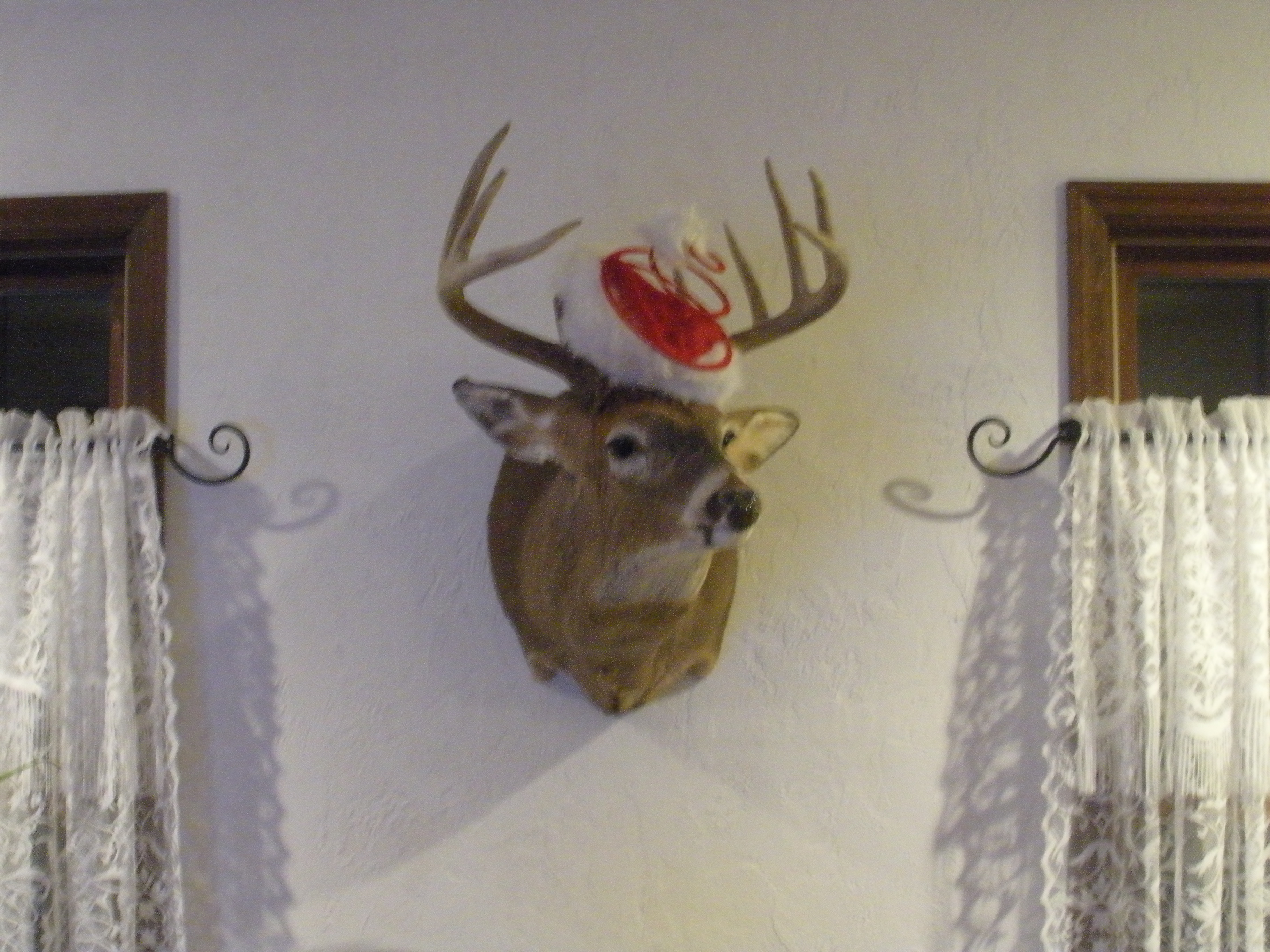
And last but not least, I couldn’t resist putting a bit of Christmas cheer on this guy (much to my husband’s chagrin).  He has no name, but he hangs proudly in our livingroom. For those of you who’ve never met my husband David, he enjoys hunting almost as much as I enjoy quilting!

I hope you’ve enjoyed my artificial memory.  As one of my college professor’s signs so accurately stated, “Artificial intelligence is better than none at all!”  Funny how I can’t remember what I had for breakfast most mornings (not this one though it was iced sugar cookies at my MIL’s house) but I remember this clever quote from 25 years ago!

Until next time,

Susan 
 

Hot Tips

Hot Tip Tuesday #7, Cameras as Help

Having a design wall in your sewing room can be a real handy tool to have, but my sewing room does not have enough wall space to devote to one.  I typically use the floor just outside my room to lay out quilts in progress. Since I can only get so far away from the project I’m working on, I use my digital camera and take a photo of my project.  I then look at the project on the monitor of the camera to make decisions.  The photo gives the illusion of standing back from the design.  It’s easier for me to use this perspective to make decisions of fabric choices, border sizes, etc.

For quick decisions, I also use the film camera (no film anymore) just to “stand back”.  Looking through the viewfinder, I can check progress of small aspects of a design, or for choosing quilting thread colors.  If I can’t see detail in this manner, I know I need to step things up a notch.

I hope this helps you with your next decisions!

Until next time,

Susan 

Hot Tips

Hot Tip Tuesday #6, Binding Clips

I love putting the binding on a quilt.  Wanna know why?  When I get to the binding, that means the quilt is almost finished.  Nothing is better than finishing the quilt and standing back to take a look.
Do you all know about binding clips a.k.a. hair clips from decades ago?  

They’re the best thing to hold your binding folded to the back of your quilt until you can hand sew (yes, hand work) it into place.

That’s where this week’s tip comes from.  I’m almost finished with a new pattern, yeah! 

When I do the hand stitching on a quilt, I usually do it one of two ways; either in front of the TV or while I’m out of the house sitting and waiting for something. You know, something that I can listen to, but don’t have to watch 100%.  It makes the binding time seem almost non-existent. 

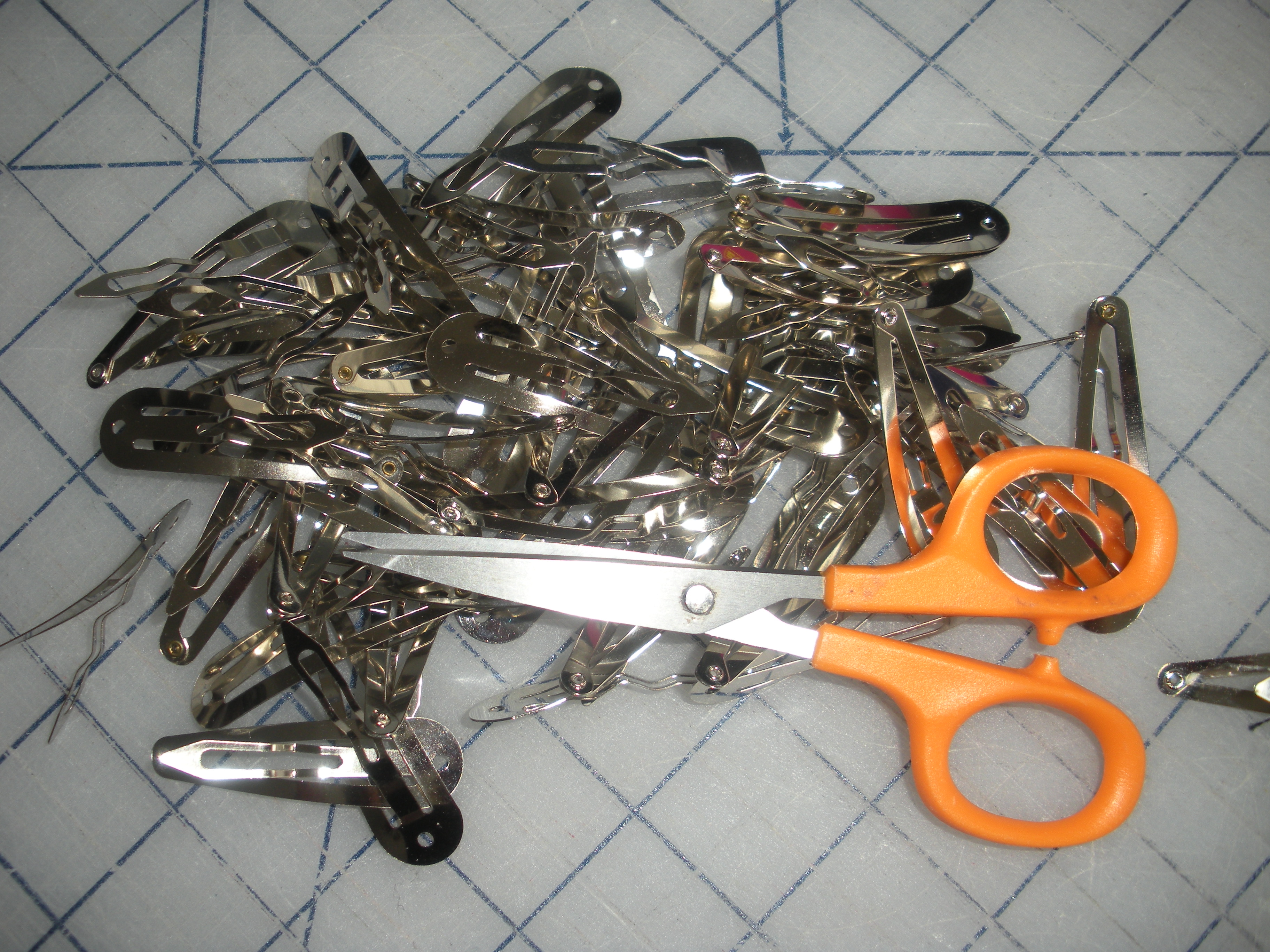
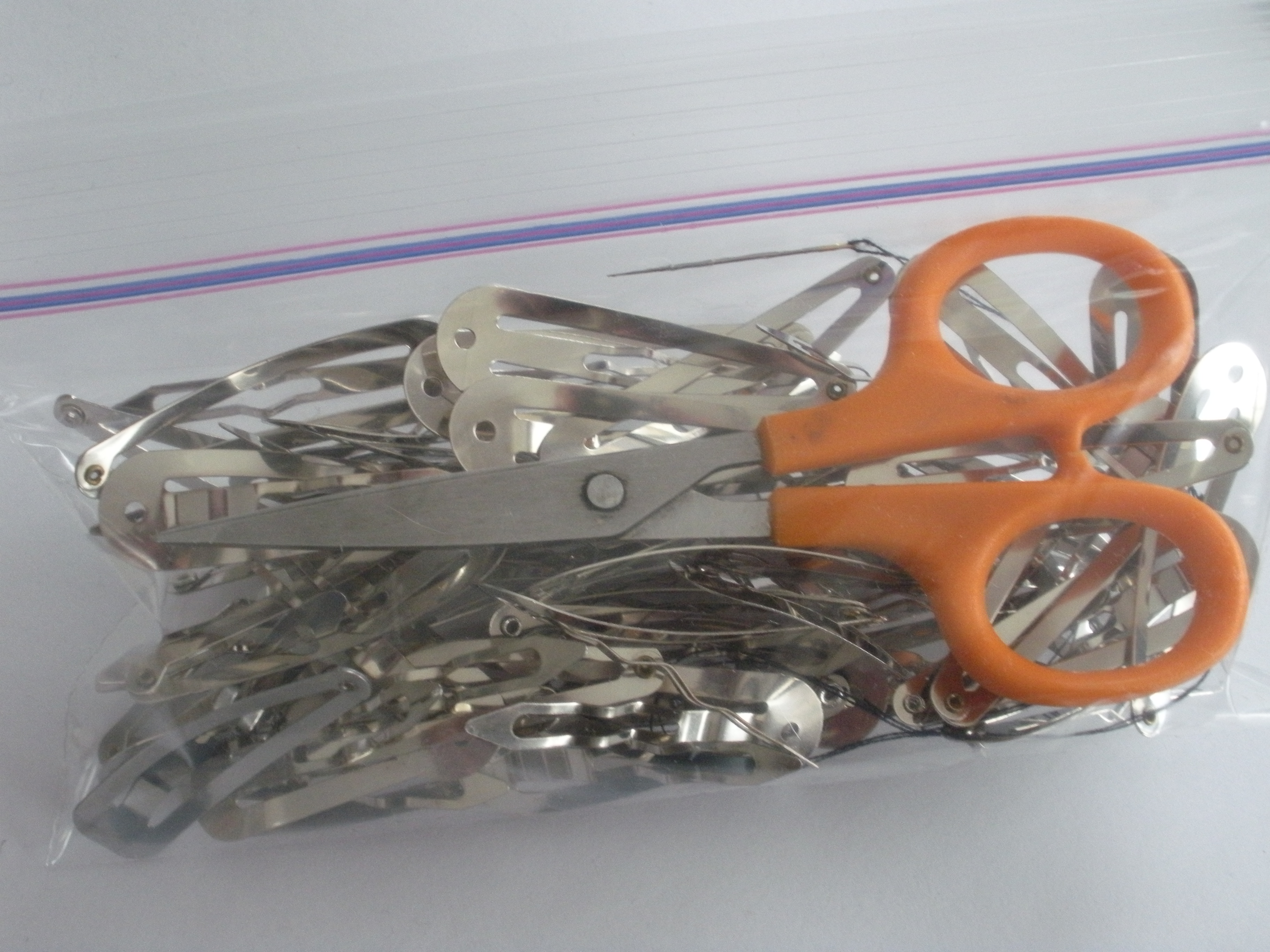
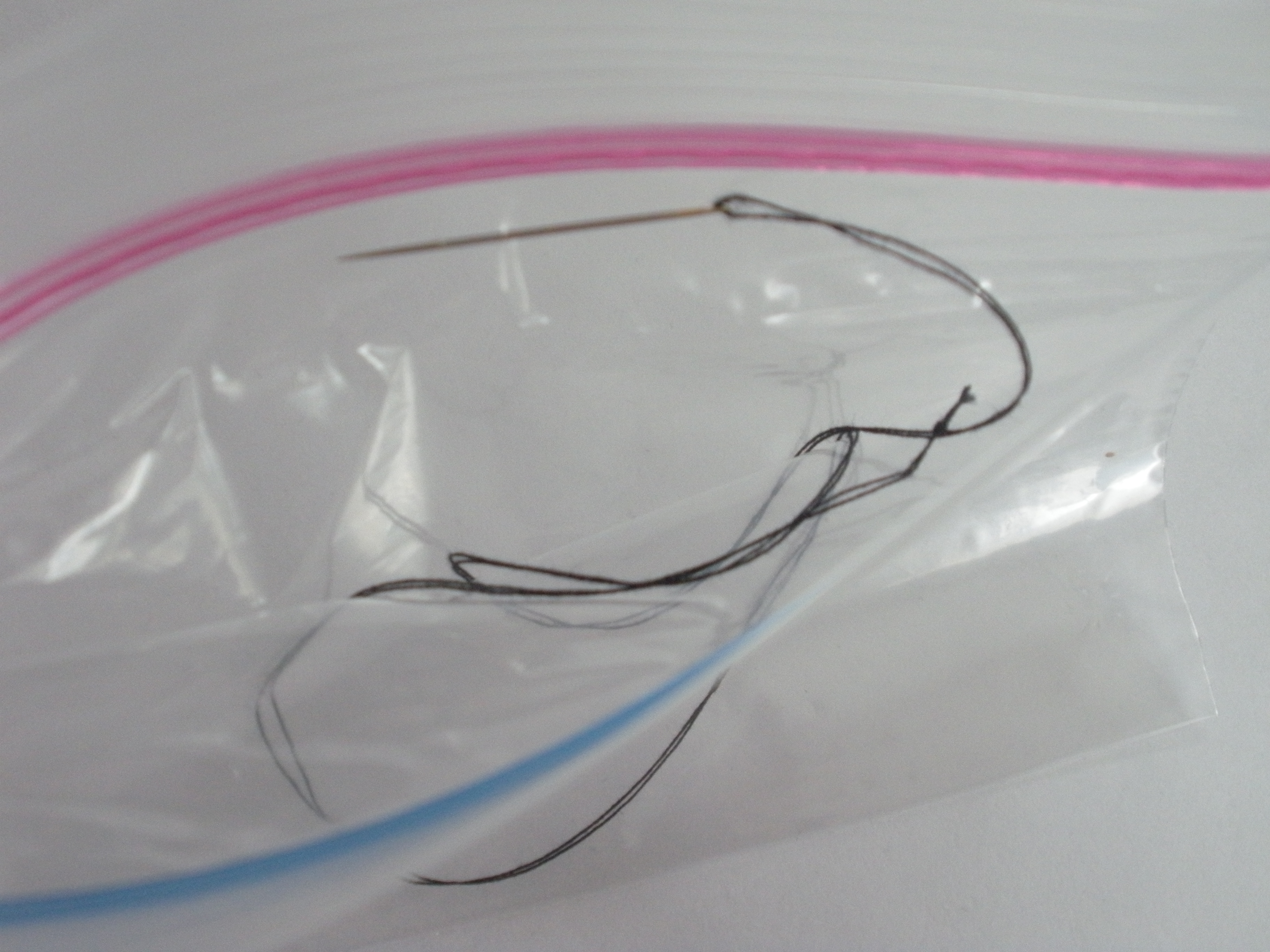
I keep my binding clips in a snack size Ziploc bag along with a pair of scissors and a threaded needle. 

When I’m ready to use them, I grab a spool of matching thread and the bag of clips along with my quilt with the binding already sewn on and I’m set. 

Note, I slide the treaded needle into the side of the bag near the zipper.  This keeps the needle where I can easily find it.  I use the same bag for years, until I decide it’s getting pretty used up where I poke the needle.

I especially like this tip because it “works” for me.  If I’m on the way out the door and in a hurry, I can pick up the bag, quilt and thread and know that I have everything that I need to work.

Until next time,

Susan